Furnace Buying Guide: What to Consider Before Replacing Your Heating System
April 6, 2026
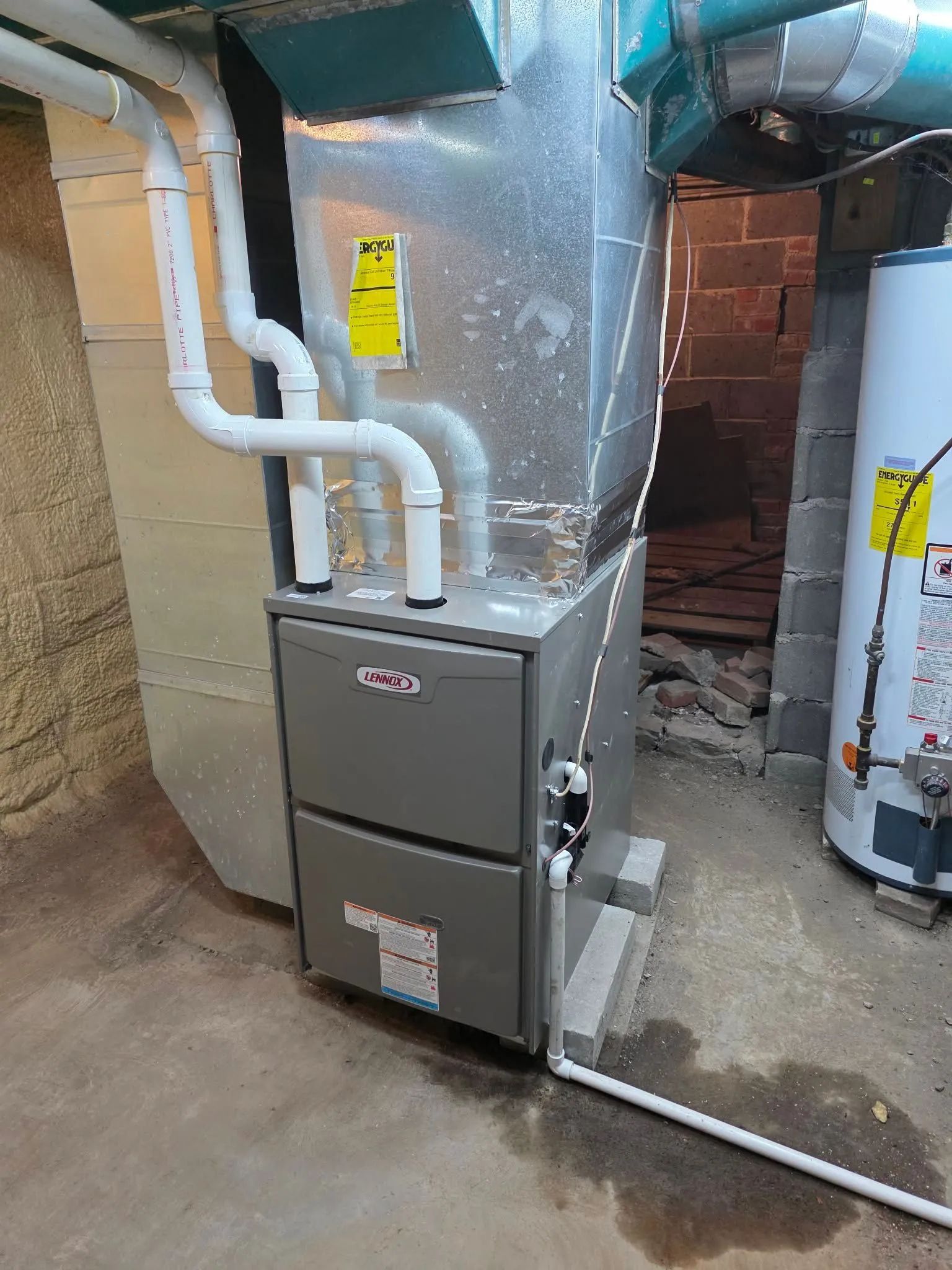
Replacing a furnace is a significant investment that directly impacts comfort, energy efficiency, and long-term operating costs. Many homeowners wait until a system fails completely before considering a replacement, often leading to rushed decisions and higher expenses. A well-informed approach, however, allows for better planning, improved system performance, and greater value over time. Understanding what to look for before purchasing a new furnace can help avoid common pitfalls and ensure the system meets both current and future needs.
Today’s heating systems are more advanced than ever, offering improved efficiency ratings, smart technology integration, and environmentally friendly options. However, with so many choices available, selecting the right furnace can feel overwhelming. From determining the correct size and fuel type to evaluating installation requirements and long-term maintenance, each factor plays a critical role in overall performance. This guide provides a comprehensive overview of the key considerations homeowners should evaluate before replacing a heating system, helping ensure a confident and cost-effective decision that supports comfort, reliability, and energy savings for years to come.
1. Evaluating Your Current Heating System
Signs It’s Time for a Replacement
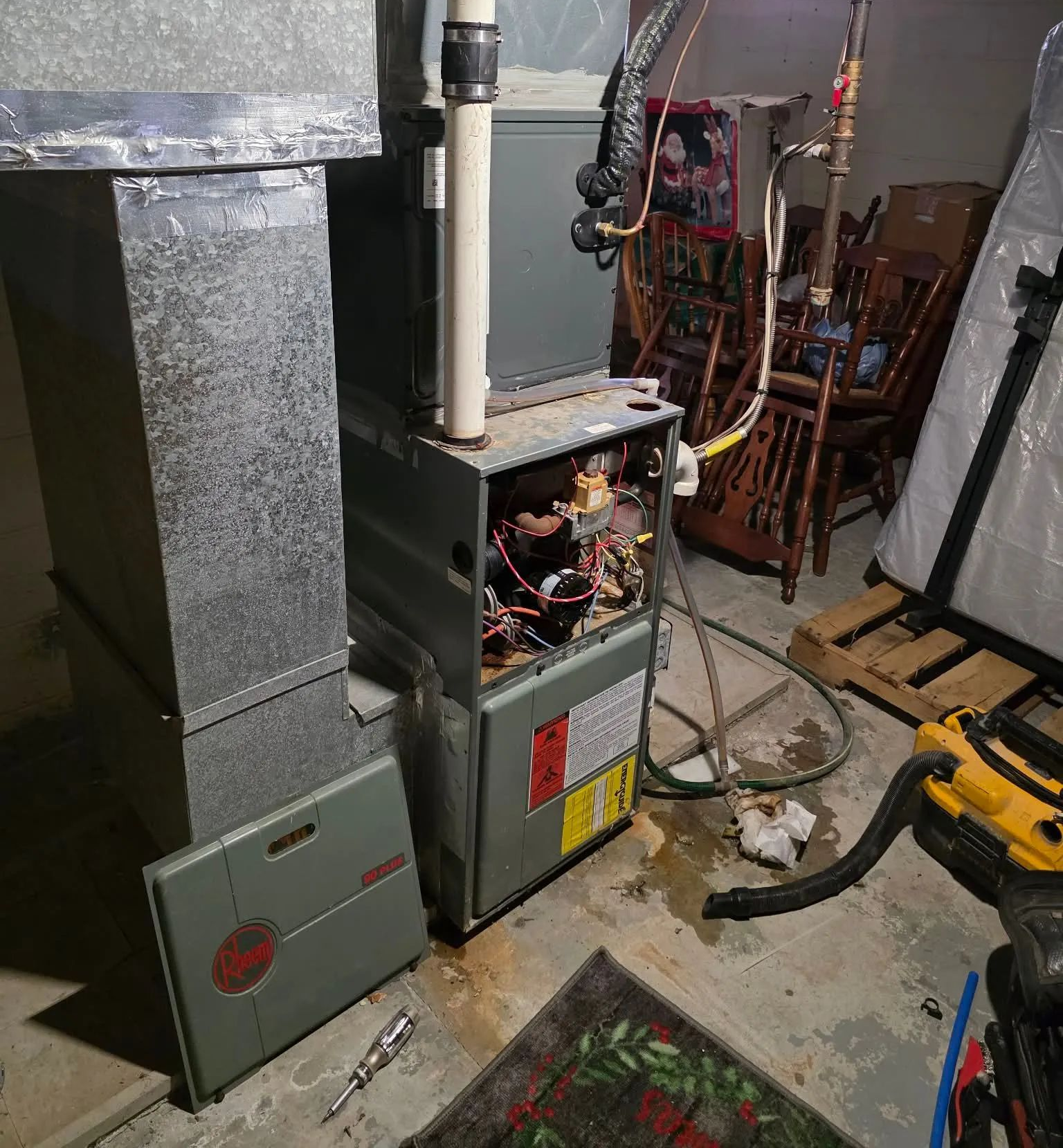
Before purchasing a new furnace, it is essential to assess whether replacement is truly necessary. Common warning signs include uneven heating, frequent repairs, rising energy bills, and unusual noises throughout operation. If the system is over 15–20 years old, efficiency declines, and repair costs begin to outweigh replacement benefits. Addressing issues early helps prevent emergency breakdowns and supports a more strategic upgrade decision.
Repair vs. Replacement Decision
A practical rule often used in the industry is the “50% rule.” If repair costs exceed half the price of a new system, replacement is generally more cost-effective. Older systems lack modern efficiency features, meaning continued use results in higher utility bills over time. Investing in a new furnace reduces operational expenses, improves reliability, and ensures consistent heating performance throughout colder months.
Energy Efficiency Limitations of Older Systems
Older furnaces often operate at efficiency levels below modern standards, making them less cost-effective over time. While older units may still function, they consume more fuel to produce the same level of heat. This increased consumption leads to higher energy bills. Upgrading to a high-efficiency model results in improved performance, reduced energy waste, and noticeable savings during peak heating seasons annually.
2. Choosing the Right Furnace Type and Fuel Source
Common Furnace Types Explained
Furnaces are available in several types, including gas, electric, and oil systems. Gas furnaces are widely preferred due to cost-effectiveness and higher efficiency ratings. Electric furnaces are easier to install but may result in higher operating costs depending on local electricity rates. Oil furnaces are less common but still used in certain areas requiring consistent fuel delivery and maintenance support.
Comparing Fuel Costs and Availability
Fuel availability plays a significant role in determining the best furnace type for any home. Natural gas is often the most economical option where accessible. In areas without gas infrastructure, electric or propane systems may be more practical choices. Evaluating long-term fuel costs ensures the selected system aligns with budget expectations while maintaining consistent heating performance throughout seasonal temperature changes annually.
Environmental Impact Considerations
Modern homeowners are increasingly focused on reducing environmental impact through energy-efficient solutions. High-efficiency furnaces produce fewer emissions while consuming less fuel during operation. Electric systems powered by renewable energy sources can further reduce carbon footprints significantly. Selecting an eco-conscious heating option not only benefits the environment but may also qualify homeowners for rebates, incentives, and long-term energy savings opportunities.
3. Proper Furnace Sizing and Capacity
Why Size Matters
Choosing the correct furnace size is essential for achieving optimal heating performance and efficiency. A unit that is too small will struggle to heat the home, leading to continuous operation and increased wear. An oversized furnace cycles on and off frequently, reducing efficiency. Proper sizing ensures balanced heating, improved comfort levels, and reduced strain on system components over time.
Load Calculation and Professional Assessment
Accurate furnace sizing requires a detailed load calculation that considers multiple factors such as home size, insulation levels, window placement, and climate conditions. Professional assessments ensure the furnace capacity aligns with heating requirements. Skipping this step can lead to inefficiencies, uneven heating, and increased energy consumption. A precise evaluation supports long-term performance, reliability, and consistent indoor comfort year-round.
Impact on Energy Efficiency and Comfort
Properly sized furnaces operate more efficiently by maintaining consistent indoor temperatures without excessive cycling. This results in lower energy consumption and reduced utility bills over time. Improved airflow distribution enhances overall comfort throughout the home. Investing in correct sizing from the beginning prevents costly adjustments later and ensures the heating system delivers reliable, energy-efficient performance across varying seasonal demands effectively.
4. Understanding Efficiency Ratings and Cost Savings
What AFUE Ratings Mean
Annual Fuel Utilization Efficiency, or AFUE, measures how efficiently a furnace converts fuel into usable heat. Higher AFUE ratings indicate better efficiency and reduced energy waste during operation. For example, a furnace with a 95% rating converts most fuel into heat while minimizing loss. Understanding these ratings helps homeowners select systems that maximize performance while lowering long-term heating costs significantly.
Balancing Upfront Costs with Long-Term Savings
High-efficiency furnaces often come with higher upfront costs, but they provide substantial savings over time. Reduced energy consumption leads to lower monthly utility bills, making them a smart long-term investment. Homeowners should consider how long they plan to stay in the property when evaluating costs. In many cases, the initial expense is offset through consistent energy savings within a few years.
Incentives and Rebates
Many regions offer incentives, rebates, or tax benefits for installing energy-efficient heating systems. These programs help reduce the overall cost of upgrading to a new furnace. Homeowners who research available options can take advantage of financial savings while improving home efficiency. Choosing qualifying systems not only lowers initial investment but also supports environmentally responsible decisions and long-term cost reduction strategies effectively.
5. Installation Quality and System Compatibility
Importance of Professional Installation
Even the most advanced furnace will not perform efficiently if installed incorrectly. Proper installation ensures correct airflow, accurate calibration, and safe system operation. Experienced professionals follow industry standards to minimize potential issues. Investing in expert installation reduces the likelihood of breakdowns, enhances system longevity, and ensures the furnace operates at peak performance throughout its expected lifespan reliably.
Ductwork and Home Infrastructure
Existing ductwork plays a crucial role in overall furnace performance and efficiency. Leaks, blockages, or poorly designed ducts can restrict airflow and reduce system effectiveness. Evaluating ductwork before installation ensures compatibility with the new furnace. Sealing or upgrading ducts may be necessary to improve efficiency, enhance airflow distribution, and support consistent heating throughout the entire home environment.
Integration with Smart Technology
Modern furnaces often integrate seamlessly with smart thermostats and home automation systems. These technologies provide improved temperature control, energy monitoring, and remote access through mobile devices. Smart integration enhances convenience while optimizing energy use. Homeowners can adjust settings based on occupancy patterns, reducing unnecessary energy consumption and improving overall system efficiency without compromising comfort or heating performance at all.
6. Maintenance Requirements and Long-Term Reliability
Routine Maintenance Needs
Regular maintenance is essential for ensuring a furnace operates efficiently and reliably over time. Tasks such as changing filters, inspecting components, and cleaning internal parts help prevent system issues. Consistent upkeep reduces the risk of unexpected breakdowns and improves energy efficiency. A well-maintained furnace delivers steady performance, extends equipment lifespan, and ensures dependable heating throughout the colder months annually.
Warranty and Manufacturer Support
Warranty coverage varies depending on the furnace model and manufacturer. Understanding what is included helps protect the investment and avoid unexpected repair expenses. Extended warranties and service plans provide additional peace of mind for homeowners. Reviewing warranty details before purchase ensures better financial protection while supporting long-term system reliability and performance throughout the lifespan of the heating equipment installed.
Lifespan and Durability Considerations
Furnace lifespan depends on build quality, usage patterns, and maintenance consistency over time. High-quality systems tend to last longer and perform more reliably under regular use. Investing in durable equipment reduces the likelihood of premature replacement and costly repairs. Choosing reputable models and ensuring proper installation contributes significantly to long-term performance, helping homeowners achieve consistent heating efficiency and comfort year after year.
Trusted Heating Solutions Backed by Proven Experience
When it comes to making confident decisions about furnace replacement, working with a knowledgeable and experienced service provider makes all the difference. At Leon Plumbing Heating & Cooling, we bring over 20 years of hands-on expertise in heating, cooling, and plumbing services across Leon, Lamoni, and Central Iowa. Our approach focuses on delivering tailored solutions that meet the unique needs of every home, ensuring optimal performance, efficiency, and long-term reliability.
We prioritize thorough system evaluations, accurate sizing, and professional installation to help homeowners maximize the value of their investment. From selecting the right furnace to ensuring seamless integration with existing systems, our process is built on precision, transparency, and quality workmanship. Our commitment to ongoing maintenance and customer support ensures every system continues to operate at peak efficiency long after installation.
Choosing the right partner for
furnace replacement means choosing comfort, reliability, and peace of mind. With a strong reputation built on trust and proven results, we stand ready to deliver heating solutions that perform when it matters most.